Theatre from Antiquity through the Middle Ages



History and Literature of Theatre I
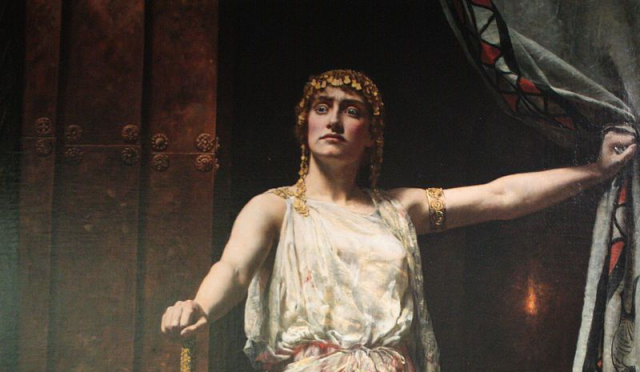
Spectres of the Stage
Ancient, Dramatic Apparitions Across Time and Culture
Excerpt: “The three ghosts, Clytemnestra, Dou-E, and Tantalus, share the themes of regret and guilt despite being separated by place and time. From 5th century BC Greece up to Yuan Dynasty China, these ghosts all give us a glimpse into the innate nature and beliefs of humanity. Although the minutia of those beliefs may differ, the core underlying emotions remain the same. Ghosts come back with regrets to fulfill what they were unable to in their lives. In literature they are tools to present a physical manifestation of the energies a character may experience such as guilt and grief.” Page 7-8
History and Literature of Theatre II
This class focused on developing dramaturgical skills such as research and writing for a production team and audiences. The students were encouraged to select a work between the 16th and the 18th centuries. Below is the analysis and research done on the kunqu opera Mudan Ting (The Peony Pavilion) by Tang Xianzu of the Ming Dynasty.
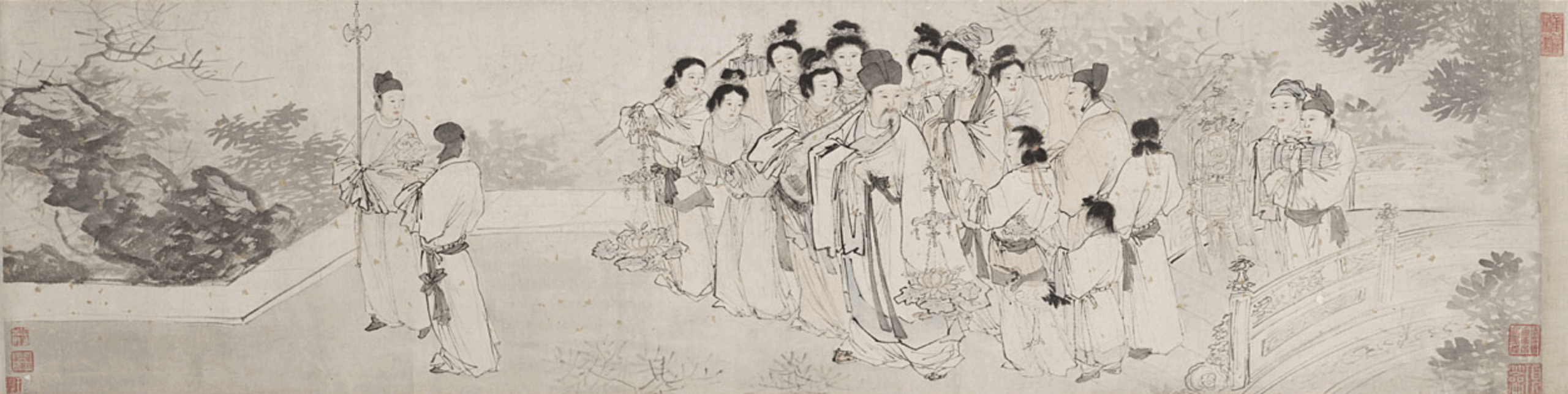
The Complete Casebook
The casebook is the culmination of all the research and writing produced through the course of study. Included is a timeline with important dates relating to The Peony Pavilion, along with images, historical contextual analysis and literary analysis.
Excerpt from “Love, Logic, and Life” (Casebook #1): “Dreams are integral to Mudan Ting from the first scene to the last. The idea of mixing dreams and reality is interwoven into this text deliberately by Tang Xianzu despite the initial preconceptions that dreams are completely separated from reality. … When Du Liniang finally admits to Liu Mengmei, a young scholar and her lover, that she is a ghost, he, reasonably, despairs over the situation saying, “How can the moon be scooped from the water’s surface, or flowers plucked from the void?” (188). That is to say, how can Liu Mengmei be in love with a ghost, an illusion, a dream? ” Page 10
Peony Pavilion Final Presentation
These are the slides for the final presentation on Peony Pavilion. The topic I focused on was Du Liniang’s autonomy with the historical context that surrounded the perception of women in 16th century China. Du Liniang exemplified the virtues of women at the time as well as having strong principles of her own and initiative to achieve her desires despite any obstacles in her way.
Peony Pavilion Presentation Notes
Included are the notes used with the above slides to present on Du Liniang and The Peony Pavilion.
History and Literature of Theatre III
Theatre from the late 19th century and early 20th century.
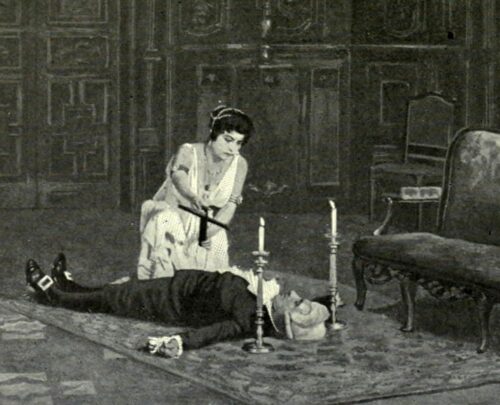
Women and Religion in Verismo Opera
The Tragedy of the Religious Woman Explored Through Santuzza, Nedda, and Tosca
Excerpt: “The three women, Santuzza, Nedda, and Tosca all portray varying levels of faith to extreme senses. For Santuzza and Tosca, their piety only bolsters the inevitability of their tragedy and the vanity of exercising autonomy. For Nedda, her lack of faith contrasted her with her environment and the anger of the men in her life who killed her in the name of the Madonna. Each of their stories portrays the futility of faith for which the Italian populace may have been feeling after enduring such unrest during the unification. … Santuzza believed she had betrayed her faith, Nedda had no faith, and Tosca clung to her faith in despair.” Page 8
History and Literature of Theatre IV
Theatre practices arising in the latter 20th century and plays in contemporary times
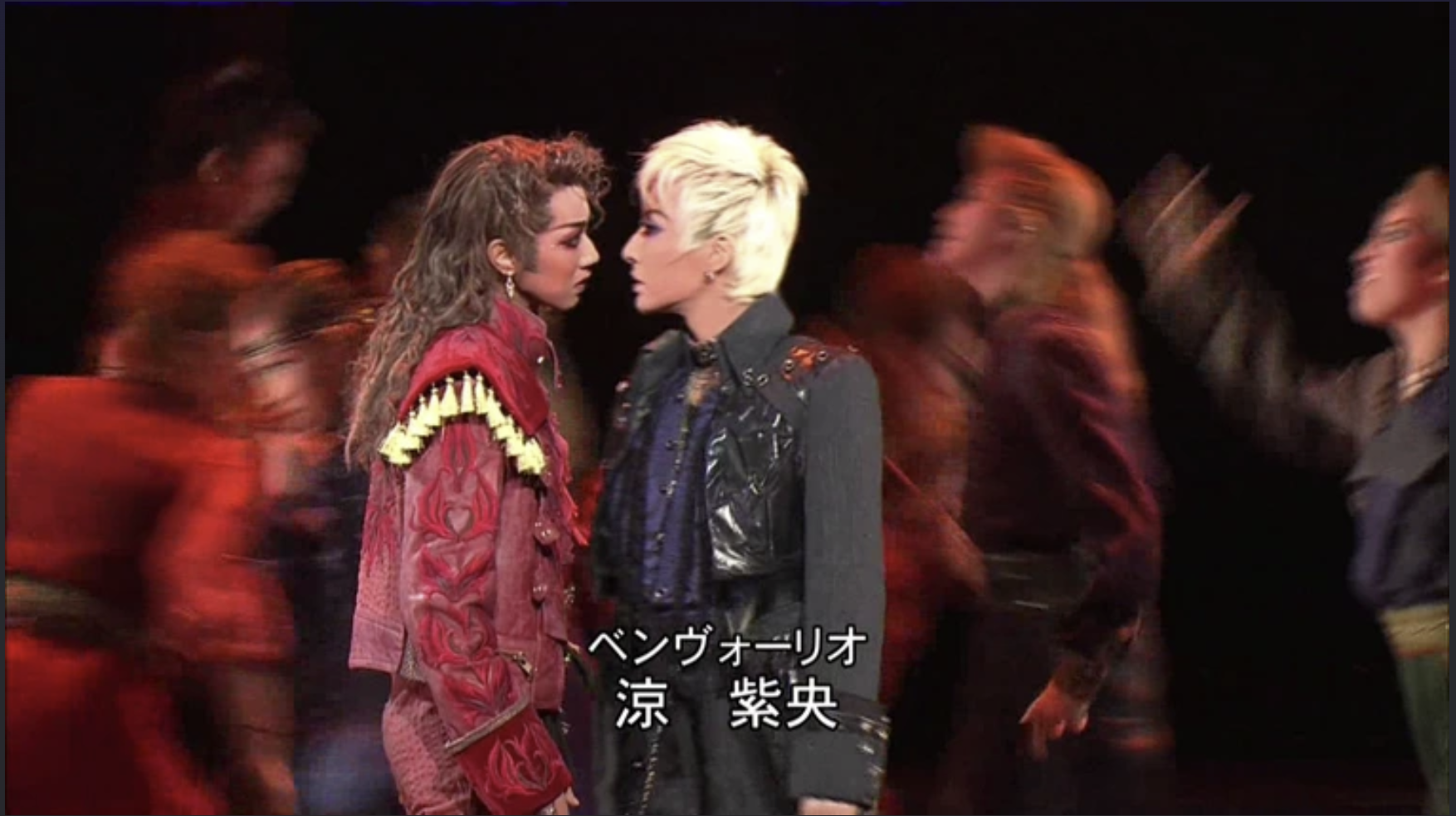
Takarazuka Kagekidan
Exceprt: “Kobayashi Ichizo … founded the Takarazuka Revue in 1913 with the first performance following in 1914. As the name suggests, this theatre company sets its headquarters in the city of Takarazuka near Umeda Station, the last stop on the Hankyu Takarazuka Train Line. Originally, Takarazuka Revue was a sideshow of chorus girls founded by Kobayashi, also the founder of Hankyu Railways, to bring more customers to the final destination on the line in the hot springs of Takarazuka. Although an avid theatre fan, Kobayashi believed traditional Japanese theatre such as Noh and Kabuki were much too elitist and aging. With a pastiche of Japanese tradition familiar to audiences, western influences recently introduced and popularized, and a peculiar cast composition of young girls and women, Takarazuka Revue was born.” Pages 1-2
Romeo et Juliette
Excerpt: “Koike Shuuichirou’s translation and direction does more than simply regurgitate Presgurvic’s French words into Japanese. Much of Presgurvic’s themes and staging remains as it is fairly true to source, but Koike alters much of the lines and storytelling, fusing more of the original Shakespeare with Presgurvic’s composition and a quintessential Takarazuka flair. “Aimer” (“To Love”) exemplifies the combination as Koike opts for lyrics similar to Romeo and Juliet’s vows from the play rather than the sensually charged lyrics of Presgurvic (Koike 28). This hybridite show was transformed into a Takarazuka show, testing the waters of a Japanese audience in the middle of a neo-conservative swing. There are some clear appeals to the traditional values of family and society that Takarazuka generally incorporates into their shows, as well as oppositional views that could be interpreted as challenging the dominant narrative (and metanarrative) of a tragic love story.” Page 3
Dramatic Structures and Theatrical Processes

Cat and Coyote as Love
An Analysis of “References to Salvador Dali Make Me Hot”
Excerpt: “Cat represents the “domesticated” tamed, realistic perception of love whereas Coyote is analogous to Gabriella’s passionate, “wild,” primal desires. They are the first characters the audience first hears speak in the play. During the opening of the first scene, this dialogue between Cat and Coyote sets up the tone and the themes for the rest of the play. They seem to be in the middle of a fight, insulting different features of each other in distaste. “Coyote: You smell like soap. / Cat: You smell like shit” (Rivera 1). They only attack the parts that they themselves would be self-conscious towards if that trait was one of their own.” Page 1
Final Project
The final project for this class was a series of exercises on ways to think about the plays we read as well as introduce how to research for design. The two plays featured here are References to Salvador Dali Make Me Hot by Jose Rivera and Peerless by Park Jihye.